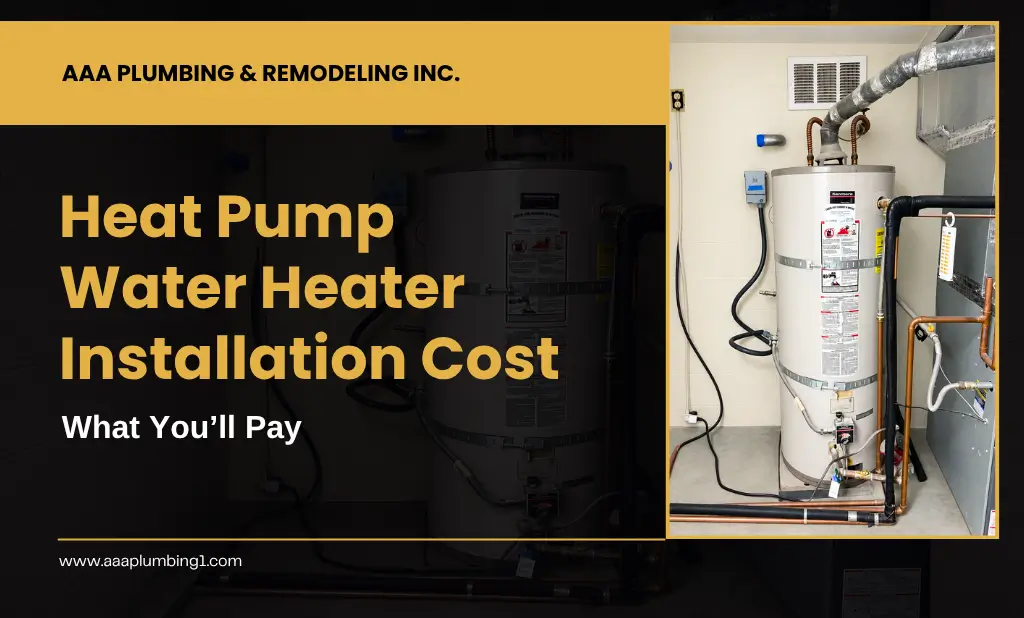
Heat Pump Water Heater Installation Cost: What You’ll Pay
Replacing a water heater is one of those home projects most people do only when they have to. Maybe the old tank is leaking, the hot water keeps running out, or the system is simply getting too old to trust. Then you start looking at newer options, such as a heat pump water heater, and the first question is usually, “How much is this going to cost?”The heat pump water heater installation cost can vary quite a bit from one home to another. The equipment is only part of the price. Your existing water heater, electrical system, plumbing connections, installation location, tank size, permits, and any required upgrades can all affect the final bill.The good news is that you don't have to guess. In this guide, we'll break down the cost to install a heat pump water heater, what you're actually paying for, potential energy savings, available incentives, and the questions worth asking before you hire a contractor.
What Is a Heat Pump Water Heater?
A heat pump water heater, also called a hybrid water heater, uses electricity to move heat from the surrounding air into the water rather than generating heat directly with an electric heating element.That difference is why heat pump water heaters can use substantially less electricity than conventional electric resistance water heaters.
ENERGY STAR says certified heat pump water heaters use about 70% less energy than standard electric water heaters. For a household of four, ENERGY STAR estimates potential savings of approximately $550 per year compared with a standard electric water heater, although actual savings depend on utility rates, household water use, and other conditions.
How Much Does a Heat Pump Water Heater Cost?
A heat pump water heater typically costs about $1,500 to $3,000 for the equipment itself, depending on the tank capacity, efficiency rating, brand, and features.
The size of the tank is one of the biggest factors. A smaller unit designed for a lower-demand household will generally cost less than a larger model designed to supply hot water for a family with higher daily usage.
You may also see price differences between models because of their efficiency ratings, operating modes, controls, warranty coverage, and electrical requirements. Some models can operate in multiple modes, allowing homeowners to balance energy savings with hot-water recovery when demand is higher.
ENERGY STAR lists heat pump water heaters among its high-efficiency water-heating options and notes that certified models can use substantially less energy than conventional electric resistance water heaters. The higher purchase price can therefore be offset over time through lower energy consumption, depending on your household's water use and local electricity rates.